
ניווט
- עסקים
- טכנולוגיה
האחרון ב-טכנולוגיה
תותח אוטומטי חדש של צה"ל הופעל בלחימה בגזרה הצפונית. צפו.
5 ימים לפני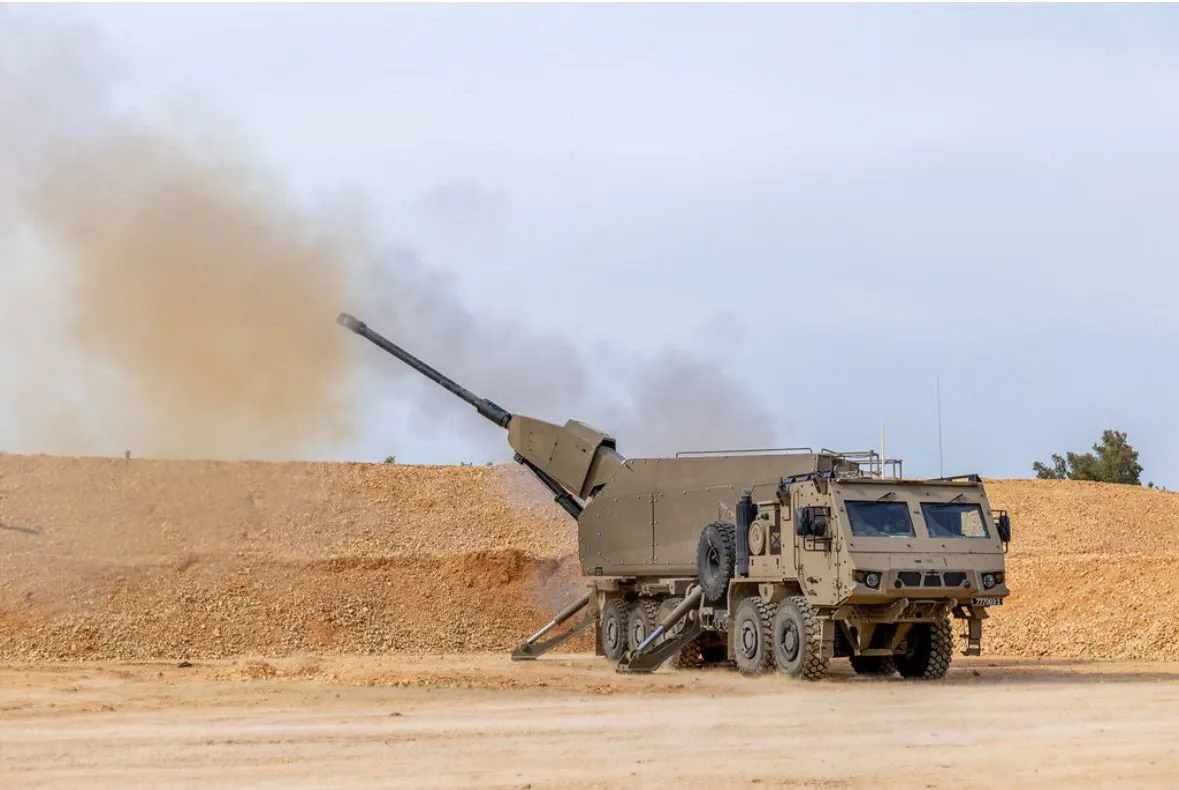
צה"ל תקף את האתר המרכזי ביותר לייצור מערכות סונאר ומערכות זיהוי תת-ימיות באיראן. צה"ל ממשיך להעמיק את הפגיעה בכלל המערכות של משטר הטרור האיראני.
2 שבועות לפני
מחקר ישראלי ממפה אתרי קרח על הירח כדי להנחות נחיתות עתידיות
2 שבועות לפני
צה"ל תקף מתחם פטרוכימי נוסף בשיראז – אחד המתחמים הבודדים שנותרו לייצור רכיבים כימיים חיוניים לחומרי נפץ וחומרים לטילים בליסטיים.
2 שבועות לפני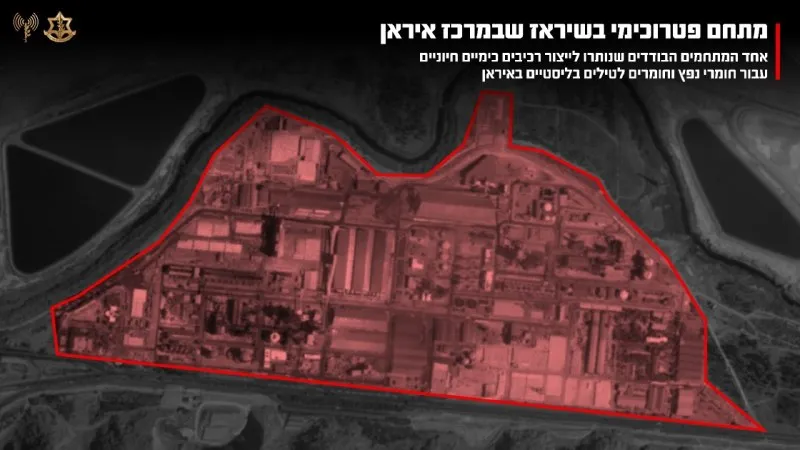
- פוליטיקה
- ביטחון
האחרון ב-ביטחון
צה"ל מפרסם קו הגנה קדמי בדרום לבנון
2 ימים לפני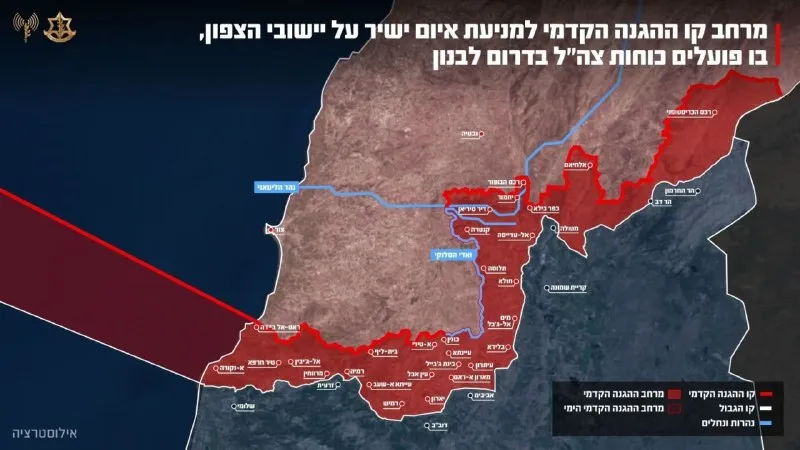
חילופי מפקד חיל הים
5 ימים לפני
במהלך פעילות לסיכול הברחת אמל"ח: כוחות צה"ל איתרו כטב"ם נושא שש נשקים ארוכים בגבול המערבי, במסגרת פעילות לסיכול הברחות נשק באזור חטיבת פארן.
6 ימים לפני
בעקבות הערכת המצב, מדיניות הביטחון נותרת ללא שינוי ותיכנס לתוקף עד יום ראשון, 19 באפריל 2026, בשעה 20:00.
שבוע 1 לפני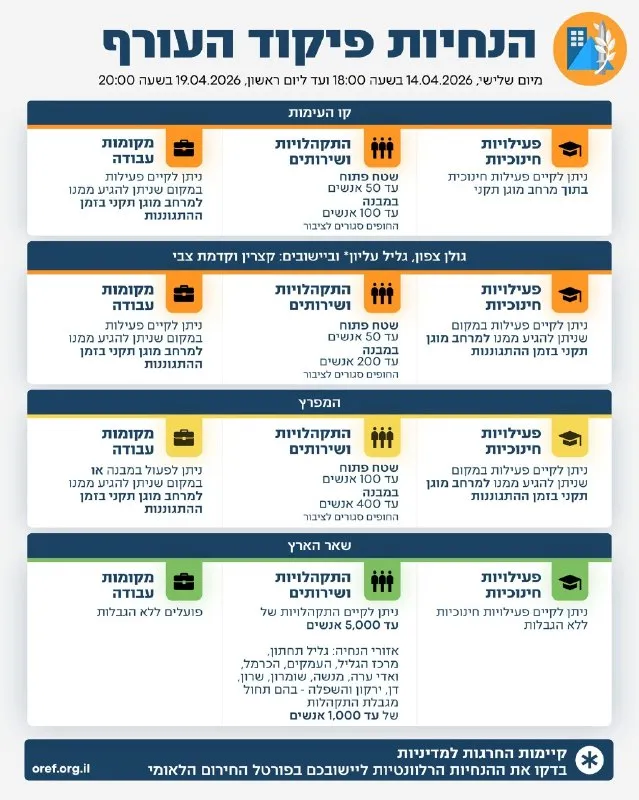
- כלכלה
האחרון ב-כלכלה
ואנס: ביידן גרם לאינפלציה, טראמפ מתקן אותה
2 שבועות לפני
טראמפ: הסיוע האמריקאי לישראל חייב להיות מוחזר
2 שבועות לפני
בעקבות חיסול בכירים ותקיפות על שדות תעופה: צה"ל תקף את מתחם הפטרוכימיה הגדול באיראן. חיל האוויר, בהכוונה מודיעינית של אמ"ן,
2 שבועות לפני
בורסת תל אביב (TASE): סיכום 6 באפריל 2026
2 שבועות לפני
- פשיעה
האחרון ב-פשיעה
סוכל תא חיסול בלוד, שכלל קטין. שוטרי מחוז מרכז ולוחמי מג"ב פשטו על מתחם מגורים בעיר.
שעה 1 לפני
זוכרים את קווי החזית בחיי היומיום 💙
10 שעות לפני
בלשי אשדוד תפסו 8.5 ק"ג סמים בשווי 1.5 מיליון שקל
יום 1 לפני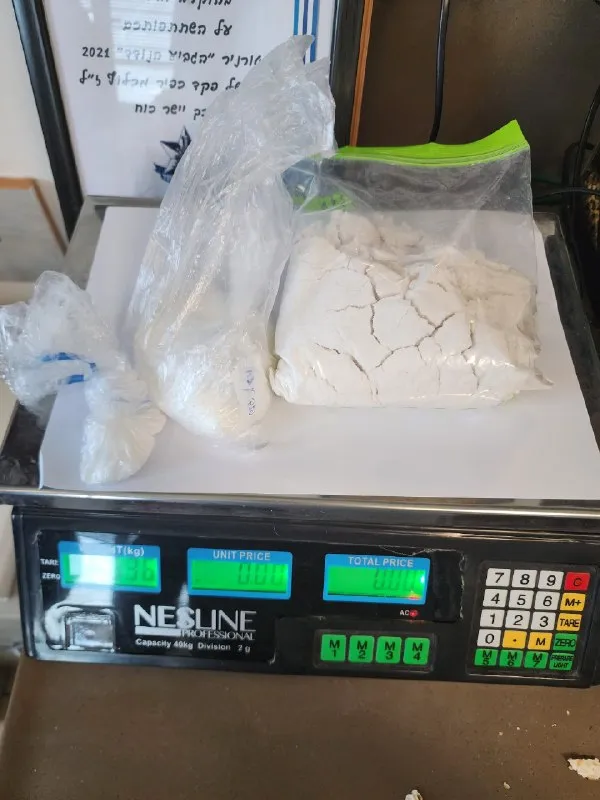
בעקבות מאמצי חיפוש של שוטרי תחנת נתניה ויחידת השיטור הימי, המכון לרפואה משפטית אישר לפני זמן קצר כי הגופה שייכת לנעלם אברהם ישעיהו שפיגל ז"ל.
2 ימים לפני
- חברה
- שירותים
טכנולוגיה ושירותים
דתי ותרבותי
ממשלה ושירותים ציבוריים
מידע וקטלוגים












Photo by Yehonatan Valtser/TPS-IL on 7 November, 2019
By Pesach Benson • 6 April, 2025
Jerusalem, 6 April, 2025 (TPS-IL) — Israeli researchers unveiled a groundbreaking technique to detect a disease common in tomatoes before visible symptoms appear by simply monitoring the plants’ water usage. The discovery could transform how farmers and researchers approach disease detection, potentially saving crops and improving agricultural sustainability.
Scientists at the Hebrew University of Jerusalem found that subtle shifts in transpiration — the process by which plants release water — can serve as early warning signs of Fusarium wilt, one of the most economically significant diseases in tomato production worldwide.
The disease is difficult to manage because the Fusarium oxysporum fungus can survive years without a host and is resistant to many chemical treatments.
The pathogen that the fungus releases — Fusarium oxysporum f. sp. lycopersici — infects the plant through the roots and colonizes its vascular system, which blocks the transport of water and nutrients. This leads to wilting, yellowing leaves, stunted growth, and eventually plant death. Visible symptoms usually appear only when the disease is at an advanced stage.
“This research demonstrates that water-related physiological traits like transpiration can act as sensitive, reliable early indicators of Fusarium infection,” said lead researcher Shani Friedman (Goldfarb), a PhD student in the Institute of Plant Sciences and Genetics in Agriculture at Hebrew University. “We were able to quantitatively measure how plants respond to the pathogen well before they exhibited the traditional visible symptoms of disease.”
The research was recently published in the peer-reviewed journal, Plant Disease.
Friedman’s study, conducted under the supervision of Prof. Menachem Moshelion, used a high-throughput physiological phenotyping system and lysimeter technology in a semi-controlled greenhouse environment. This setup allowed the researchers to track continuous changes in plant transpiration and biomass, revealing early signs of infection with unprecedented precision.
“This quantitative approach opens new directions for studying plant-pathogen interactions,” said Dr. Shay Covo of Hebrew University’s Department of Plant Pathology and Microbiology, a collaborator on the study. “It enables us to understand better how pathogens influence plants at the early stages of the disease.”
The team’s method went beyond early detection. It also provided numerical data to evaluate the severity of infection and the susceptibility of various tomato strains.
“Our approach opens exciting possibilities not just for tomato plants, but for agricultural practices in general. Early detection through physiological monitoring can significantly reduce crop losses and enhance sustainable agricultural management,” said Moshelion.
The findings would enable farmers to monitor tomato plants for subtle changes in water usage—like decreased transpiration—before visible symptoms appear. This would allow them to quickly apply localized treatments, or remove infected plants to prevent the spread of the disease.
The method also offers breeders a sensitive and quantitative way to test how different tomato varieties respond to Fusarium wilt. By identifying which plants reduce transpiration less under infection, researchers can more accurately select for resistance traits, speeding up the development of hardier cultivars.
Moreover, by catching disease earlier, growers might reduce reliance on fungicides, applying them only when necessary.
The researchers have already applied the method to detect late blight in potatoes, showing its versatility. It could potentially be adapted to monitor for early signs of other diseases in a range of crops, providing a general framework for proactive disease monitoring.

פסח בנסון